Layers of Brilliance: What Chocolate Makers and Casino Designers Have in Common
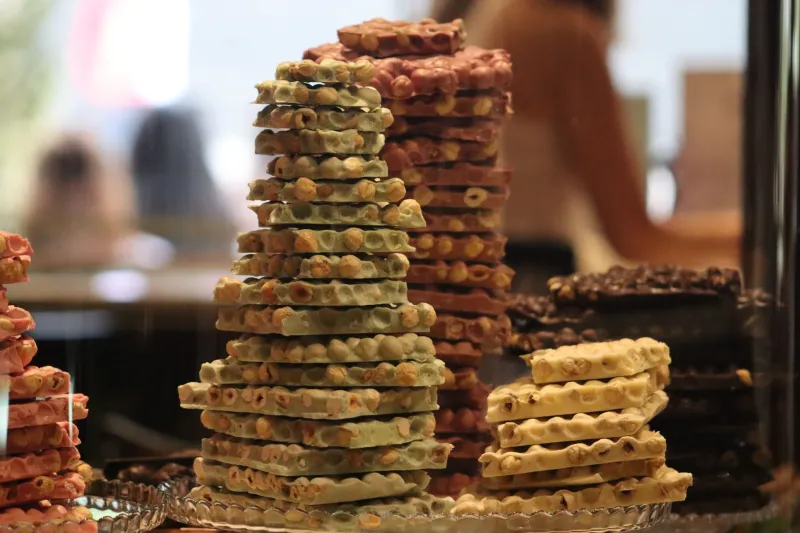
Picture this: a master chocolatier in a temperature-controlled workshop, carefully tempering a single-origin Peruvian dark chocolate. She's thinking about the snap. The sheen. The precise moment bitterness gives way to fruit notes, then cream, then a long, satisfying finish. Every decision is deliberate. Every gram measured.
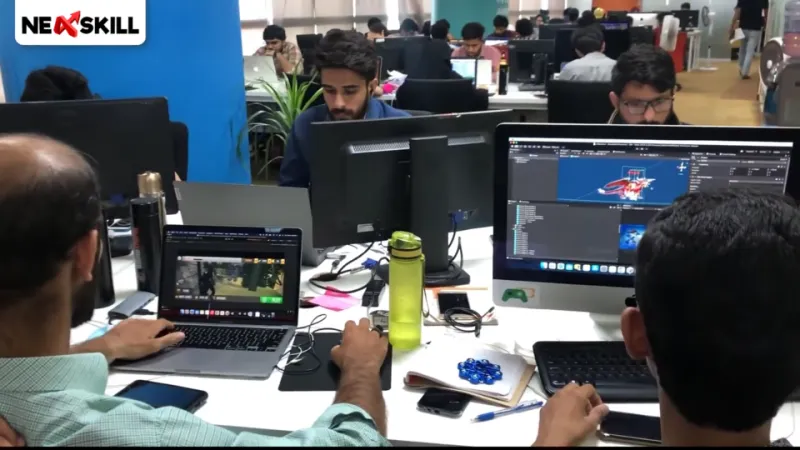
Now picture a game developer in a studio somewhere — probably Melbourne, possibly with a cold flat white going warm on the desk — tweaking the millisecond delay between a spin stopping and a win animation firing. He's thinking about anticipation. Dopamine. The precise moment a player feels the rush before they even see the result.
Different worlds? Sure. But pull back the foil wrapper and these two crafts share a surprisingly similar obsession: engineering layered experiences that keep people coming back for more.
The Art of the First Impression
Every serious chocolatier will tell you that the first sensory hit matters enormously. Before a single flavour reaches your taste buds, your eyes have already decided whether the chocolate is worth your time. Gloss, colour, and clean edges signal quality. A dull, streaky surface says "I was made in a hurry."
Casino game developers know this intimately. The visual layer of a slot or table game isn't decoration — it's a promise. High-resolution graphics, fluid animations, and a coherent colour palette tell the player, within about three seconds, whether this experience is going to be worth their time and money. At Cocoa Casino, where the whole brand rests on the idea that good things are crafted with care, that visual first impression carries extra weight. A game that looks half-baked (pun very much intended) doesn't just look bad — it undermines trust before a single spin happens.
Tempering, Tension, and the Science of Getting It Right
Here's something most people don't know about chocolate: if you melt it and let it re-solidify without controlling the temperature carefully, it turns grainy and dull. Tempering — the process of heating, cooling, and reheating chocolate within very specific ranges — aligns the cocoa butter crystals into a stable structure. Get it right and you get that satisfying snap. Get it wrong and you get a sad, crumbly mess.
Game volatility works in eerily similar ways. Developers spend enormous amounts of time calibrating the mathematical model underneath a game — how often it pays, how big those payouts are, and how long a player might go between significant wins. Too tight and the game feels stingy, players lose interest fast. Too loose and the wins feel meaningless because they never stop coming. The "tempered" sweet spot is a game that creates genuine tension, where wins feel earned rather than either impossible or inevitable.
For Australian players especially, this calibration matters. Aussies have a well-documented appetite for games with real stakes and real thrills — not watered-down experiences that feel like they were designed by a committee afraid of excitement. The best game developers, like the best chocolatiers, understand that a little bitterness makes the sweetness hit harder.
Flavour Layering vs. Feature Stacking
A great bonbon doesn't just taste like one thing. A skilled chocolatier might start with a dark chocolate shell, fill it with a salted caramel ganache, add a thin layer of praline, and finish with a dusting of smoked paprika. Each layer is designed to reveal itself at a different stage of eating. The experience unfolds over time.
Sound familiar? Modern casino games — particularly video slots — are essentially exercises in feature stacking. Base game mechanics give way to free spin rounds, which unlock multipliers, which can trigger bonus games, which sometimes reveal jackpot opportunities. Each layer is engineered to reveal itself as the player progresses, maintaining engagement and offering fresh stimulation just as the previous one starts to feel familiar.
This is no accident. Game studios employ psychologists, mathematicians, and UX designers specifically to map out these reveal sequences. The language they use internally — "engagement loops," "reward ladders," "anticipation peaks" — would feel right at home in a high-end patisserie. They're both talking about the same fundamental challenge: how do you sustain pleasure across time without letting it become either predictable or overwhelming?
The Role of Sound (Yes, Even in Chocolate)
This one surprises people. Research from Oxford University's Crossmodal Research Laboratory — the same folks who study why food eaten on a plane tastes different — has shown that the sound of chocolate snapping actually changes how people perceive its quality. A clean, sharp crack signals freshness and good tempering. A dull thud suggests something's off.
Casino sound design is an entire discipline for exactly this reason. The jingle that plays on a small win is calibrated differently from the one that plays on a big win. The ambient sound of a live dealer table is mixed to feel warm and social without being distracting. The click of a virtual chip has been tested and refined. These aren't afterthoughts — they're load-bearing elements of the experience, shaping how players feel about what's happening even when they're not consciously aware of it.
At Cocoa Casino, where the brand identity is built around the idea that every detail should feel considered and indulgent, this philosophy resonates deeply. Sweet experiences don't happen by accident — they're built, sound by sound, pixel by pixel, just like a great bar of chocolate.
Provenance and Trust
The craft chocolate movement — the one that put single-origin cacao and small-batch production on the map — was fundamentally about transparency. Consumers started caring where their chocolate came from, who grew the beans, and how the product was made. That provenance became part of the product's value.
Something similar is happening in online gaming. Australian players are increasingly savvy about the studios behind their favourite games, the licensing behind the platforms they use, and the mathematics governing the games they play. The era of anonymous, faceless casino software is giving way to one where provenance matters. Knowing that a game was developed by a reputable studio, verified by an independent testing body, and hosted on a platform that takes its responsibilities seriously — that's part of the product now.
It's why Cocoa Casino wears its philosophy openly rather than hiding it in fine print. Transparency isn't just good ethics; it's good chocolate-making. You don't hide what goes into a great product. You put it on the label and let it do the talking.
The Craft Never Really Ends
Here's the thing about both chocolatiers and game developers: neither of them ever really finishes. A chocolatier who's happy with their ganache recipe is probably six months away from completely reinventing it after a trip to Japan or a conversation with a coffee roaster. A game studio that shipped a hit slot last year is already knee-deep in the next iteration, tweaking the maths, redesigning the bonus round, rethinking the soundtrack.
That restless pursuit of a better experience is what separates genuine craft from mere production. And it's the spirit that sits right at the heart of what Cocoa Casino is about — not just offering games, but offering the kind of thoughtfully constructed, genuinely enjoyable experiences that make you glad you showed up.
Now, if you'll excuse us, we have some very important research to do. Involving chocolate. Purely professional, obviously.